
The 5 Soft Skills That Will Get You Hired Anywhere
Your degree can open the door. What happens after that depends on how you think, communicate, adjust, and work with people.
That's where soft skills come in. For college students looking at internships, first jobs, or post-grad roles, technical skills matter. Obviously. But employers are also trying to figure out what you'll be like on a team, under pressure, in a meeting, on a deadline, or when a project suddenly changes direction at 4:47 p.m. on a Thursday.
In other words, your resume gets you into the conversation. But these 5 top soft skills help you stay there.
Communication: The Skill Everyone Thinks They Have
Almost everyone says they're a good communicator. Recruiters have heard that sentence approximately one million times.
Good communication is not just being able to talk in class without blacking out. It's being clear, thoughtful, and easy to understand. It's knowing how to listen before responding. It's writing an email that does not require three follow-ups. It's explaining a messy situation without making it messier.
LinkedIn's workplace learning research has repeatedly pointed to communication as one of the skills hiring managers care about most. That makes sense, especially now that so much work happens through Slack, email, shared docs, Zoom calls, and messages that somehow contain zero punctuation.
What Communication Signals to Recruiters
Recruiters are not grading your vocabulary. They're watching for clarity.
Can you explain what happened in a project without rambling? Can you describe your role without sounding like you did everything alone? Can you answer a question directly, then add context where it helps?
That's what strong communication looks like in an interview. It makes people trust that you can handle clients, coworkers, managers, and the occasional confusing instruction.
How to Build It Before Graduation
You already have places to practice. You just have to treat them like practice.
Send better emails to professors, advisors, and campus org leaders. Present updates during club meetings. Volunteer to write meeting recaps. Explain a budget, event plan, research finding, or group decision to people who were not in the room.
The goal is not to sound impressive, but to be understood.
Adaptability: The Skill AI Can't Replace
Plans change. Tools change. Deadlines move. Your manager may say, "Tiny pivot," and then describe something that is not tiny at all.
Adaptability is the ability to keep moving when the situation changes. Employers care about it because work is changing fast. AI tools, shifting team structures, new platforms, and new expectations are already part of the workplace. A new hire who freezes every time something changes can slow everything down.
The World Economic Forum ranks resilience, flexibility, and agility among the major skill areas workers will need in the years ahead. That's not random. Companies want people who can learn, adjust, and keep going without needing every single step explained first.
What Adaptability Signals to Recruiters
Adaptability tells employers you can grow with the role.
They're not only hiring for what the job looks like today. They're hiring someone who can handle what the job may become in a year or two. If you can show that you've figured things out in unfamiliar situations, you become a much safer bet.
How to Build It Before Graduation
Take on something that stretches you a little.
Join the committee where you don't know everything yet. Lead the campus event that has too many moving parts. Try the internship, research role, part-time job, or student leadership position that makes you slightly nervous in a productive way.
Adaptability does not come from waiting until you feel ready. It comes from learning while the plane is already boarding.
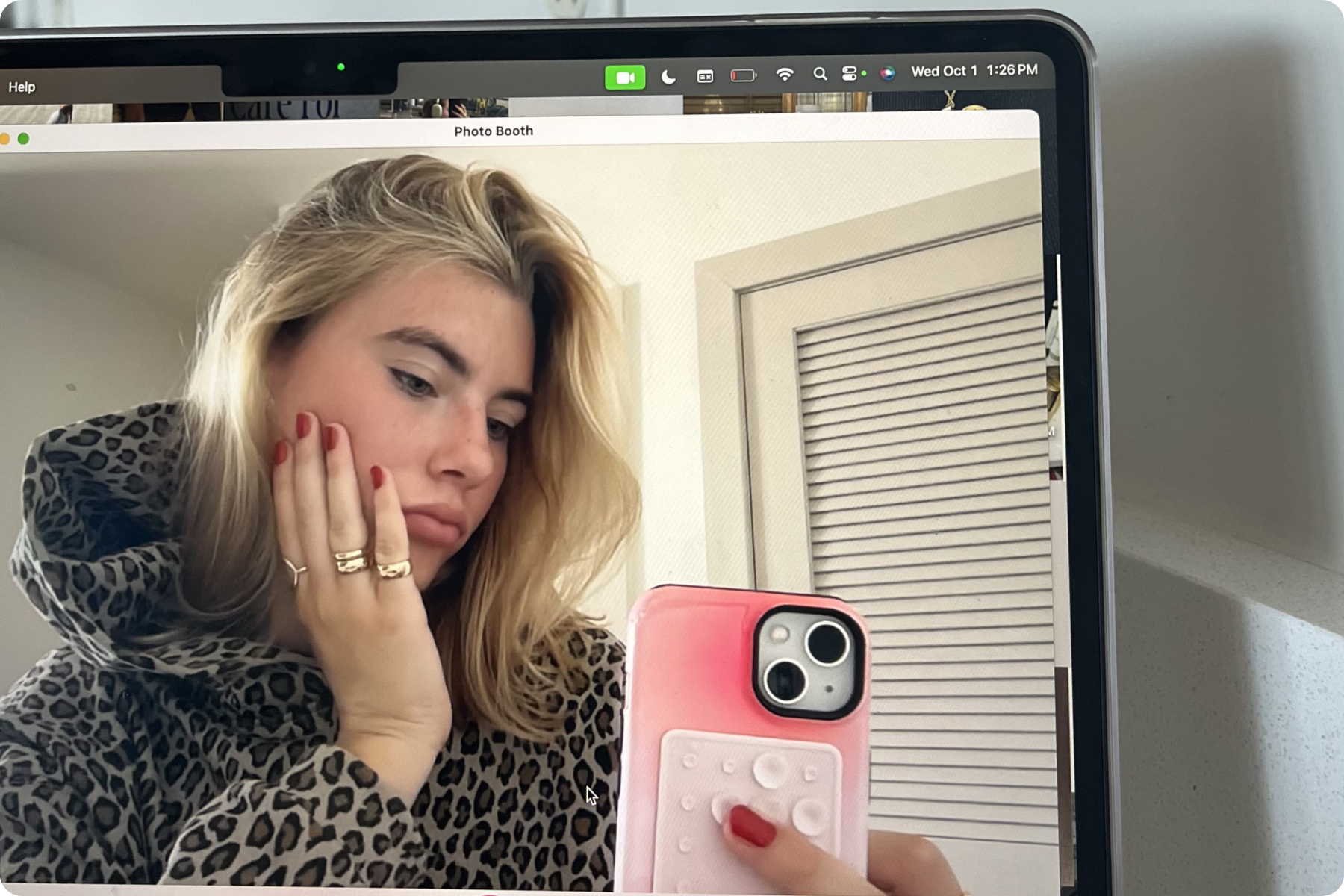
Emotional Intelligence: The Difference Between Good and Great
Emotional intelligence, or EQ, is hard to fake. Interviewers can usually tell when someone has it.
EQ is your ability to understand your own emotions, read the room, and adjust how you respond. At work, that means staying calm when something goes wrong, taking feedback without spiraling, noticing when a teammate is overwhelmed, and having hard conversations without turning them into campus drama, corporate edition.
Daniel Goleman's work on emotional intelligence, often discussed in Harvard Business Review, helped popularize the idea that EQ can strongly influence job performance, especially in roles that require working with other people. Which is, unfortunately for the "I work better alone" crowd, most jobs.
What EQ Sounds Like in an Interview
EQ often shows up in how you talk about conflict.
A low-EQ answer sounds like: "My group project was terrible because nobody else cared."
A stronger answer sounds like: "We struggled because we did not set expectations early. I learned to clarify roles sooner and check in before the deadline got too close."
See the difference? The second answer shows self-awareness. It does not pretend everything was perfect, but it also does not throw everyone else under the bus.
How to Build It Before Graduation
Ask for real feedback and actually sit with it.
That part is annoying. It also works.
Talk to a professor after a rough presentation. Ask a mentor what you could have handled better. Reflect on why a group project went sideways instead of just deciding everyone else was the problem.
College gives you endless material for emotional intelligence practice. Some of it is fun. Some of it is being in a club meeting that could have been an email. Both count.
Critical Thinking: The Skill That Gets You the Second Interview
Most candidates can follow directions. Fewer can figure out what to do when the directions are incomplete.
Critical thinking is your ability to evaluate information, question assumptions, notice what's missing, and make a smart decision. It's not about being the loudest person in the room. It's about asking better questions.
NACE's employer research often ranks problem-solving and analytical thinking among the most valuable skills for new grads. That tracks. Employers want people who can do the task, but they also want people who can tell when the task needs a better plan.
What Critical Thinking Looks Like to Employers
In interviews, critical thinking shows up in how you approach a question.
A recruiter may not expect the perfect answer. They want to see how you break down the problem. What do you ask first? What information do you need? What tradeoffs do you notice? Can you explain your thinking without sounding like you memorized a script from a career center handout?
The best answers usually sound calm, organized, and honest. Very "I may not know everything yet, but I know how to think."
How to Build It Before Graduation
Put yourself in places where your ideas get challenged.
Try case competitions, debate, undergraduate research, thesis work, strategy roles in student orgs, or planning committees where you have to make decisions with incomplete information.
If someone asks, "Why did you choose that approach?" and you can answer without panicking, you're building the exact skill employers are looking for.
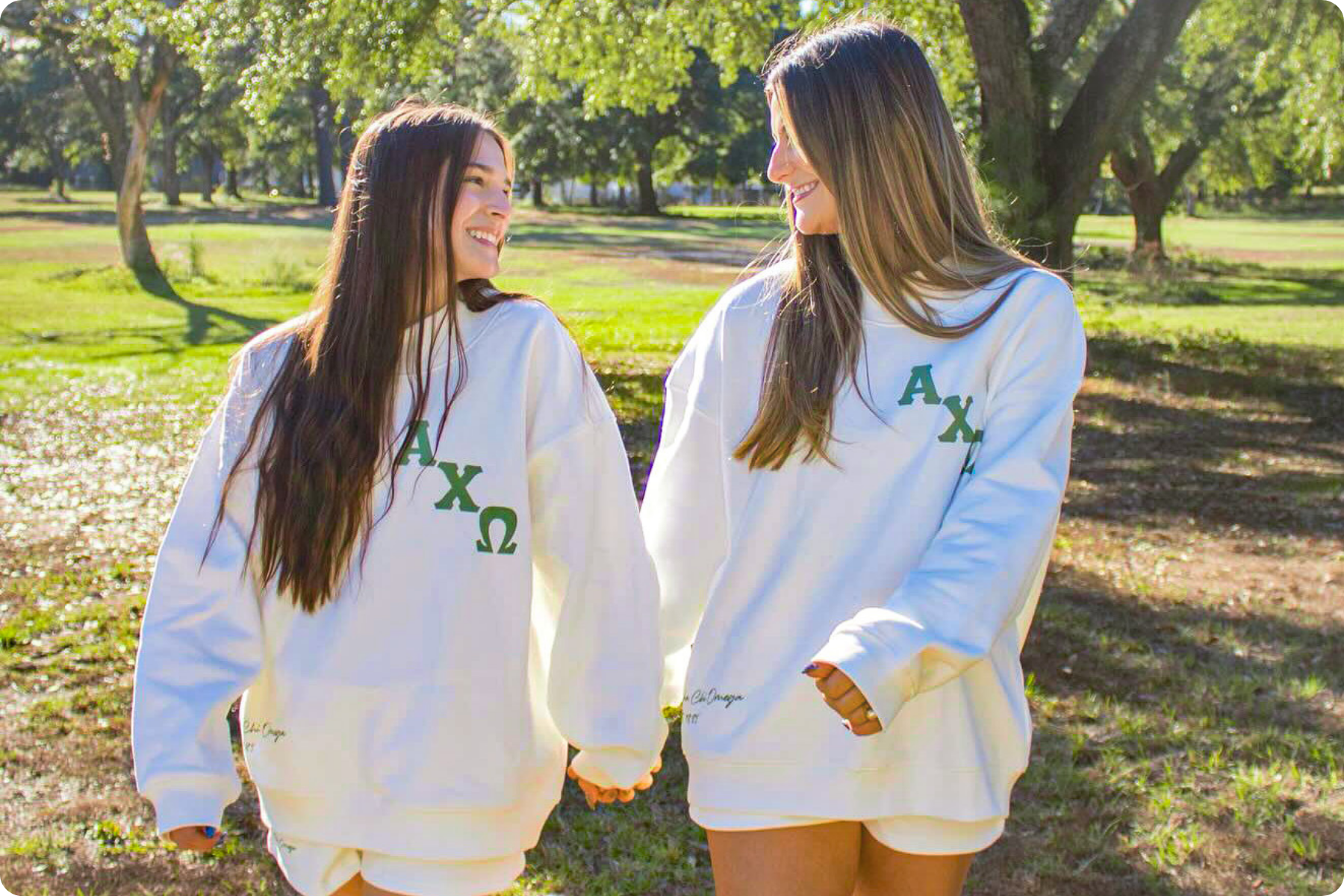
Collaboration: More Than Being "Easy to Work With"
Collaboration is not just being nice in a group project while silently doing 87% of the work.
Real collaboration means knowing when to lead, when to listen, when to give feedback, and when to stop making the shared doc font situation personal. It means keeping the goal moving when people disagree, miss deadlines, or have completely different working styles.
Employers care about teamwork because most jobs involve other humans. Deeply inconvenient, but true.
What Collaboration Signals to Recruiters
The best collaboration stories are rarely the ones where everything went smoothly.
Recruiters want to hear how you handled tension, confusion, or competing priorities. They want to know if you can work with someone who thinks differently than you do. They want proof that you can help a team recover when things get messy.
Saying "I'm a team player" does not prove much. Telling a specific story does.
How to Show Collaboration Without Sounding Generic
Be specific.
Instead of saying, "I work well with others," try something like:
"In my student organization, two committee leads had conflicting timelines for the same event. I created a shared tracker, set up a quick check-in, and helped the team reset priorities so we could hit the deadline."
That one example shows communication, initiative, problem-solving, and accountability. Much better than three adjectives sitting sadly on a resume.
How to Talk About Soft Skills on Your Resume and in Interviews
Soft skills need proof. Otherwise, they're just words.
Every recruiter has seen "strong communicator," "team player," and "problem solver" on resumes. Those phrases are not doing the heavy lifting you think they are. The better move is to connect the skill to a real result.
Use the STAR method for interviews:
- Situation: What was happening?
- Task: What needed to be done?
- Action: What did you do?
- Result: What changed because of it?
Keep your story tight. Aim for under 90 seconds when you say it out loud. Add numbers when you can.
On a resume, write the outcome instead of the trait.
- Instead of this: Strong communicator and team player.
- Try this: Created a chapter-wide communication plan that increased event attendance by 40%.
The second one gives the recruiter something to believe.
Campus roles count here. So do club leadership, event planning, research projects, part-time jobs, volunteer work, intramural team leadership, and yes, the group project that almost ended your faith in humanity.

Frequently Asked Questions
What soft skills do employers look for most right now?
The most in-demand soft skills for entry-level candidates are communication, adaptability, emotional intelligence, critical thinking, and collaboration. These show up across major employer research from sources like NACE, LinkedIn, the World Economic Forum, and McKinsey.
Can soft skills be learned?
Yes. Soft skills are learnable. You build them through practice, feedback, repetition, and reflection. You are not permanently doomed because one presentation went badly freshman year. Growth is allowed.
How do I show soft skills if I don't have much work experience?
Use campus experience. Student orgs, class projects, club leadership, event planning, research roles, part-time jobs, volunteer work, and Fraternity and Sorority Life positions all count.
Focus on what you did, what challenge you handled, and what changed because of your work.
Are soft skills more important than technical skills?
For many entry-level roles, technical skills help you pass the first filter. Soft skills help you interview well, work well, and grow once you're hired.
The best combo is both. Learn the tools, but don't ignore the people skills that help you actually use them in a workplace.
How do I start building soft skills right now?
Start with what you're already doing.
Take ownership of a project. Ask for feedback. Lead a meeting. Write the follow-up email. Handle the awkward conversation instead of avoiding it for three weeks. Join something that puts you around people with different working styles.
Soft skills are built in real situations, not in a notes app list titled "become employable."
Build the Skills Before You Need Them
Here's the part most career advice skips: soft skills are not magically installed during onboarding.
You build them before the interview. Before the first job. Before the recruiter asks, "Tell me about a time you handled conflict," and your brain immediately opens 47 tabs.
College is one of the best places to practice because the opportunities are everywhere. Every campus org role, group project, event plan, leadership position, and hard conversation gives you something to learn from.
You do not need to have everything mastered before graduation. You just need enough real experience to talk about your skills honestly, clearly, and confidently.
Build them now. Your future interview self deserves the help.